English & German keynote speaker

Ideas that stay
after the applause.

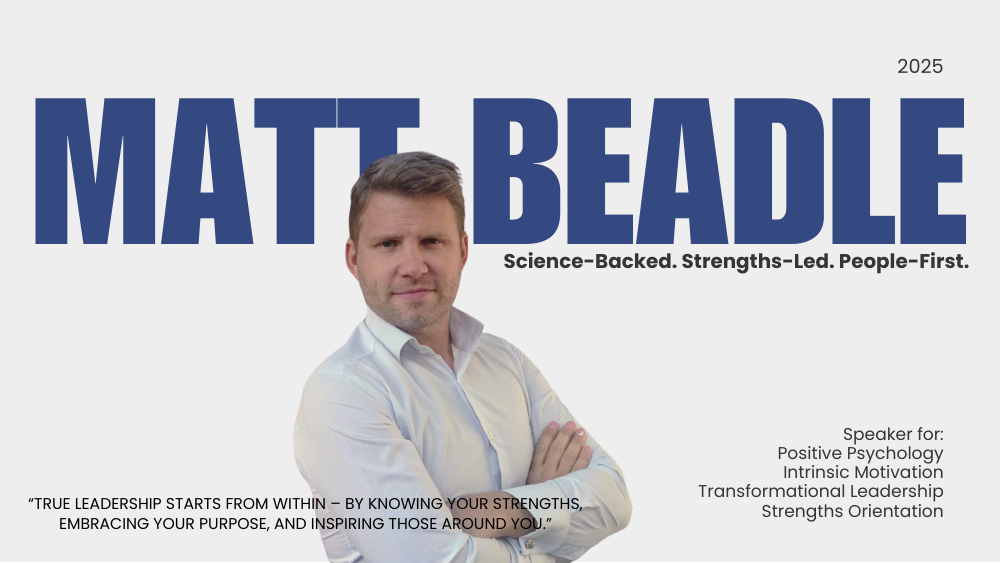
I’m Matt Beadle, a keynote speaker on teamwork, intrinsic motivation, strengths orientation and positive leadership. My talks help people communicate, collaborate and reflect — developing people, teams and the systems they work in.

Your challenges. Your people. Your next step. Each keynote is tailored to your audience and the conversation you want to start, with examples and practical questions shaped around your organisation. Available in English or German, with an optional discussion or facilitated session.

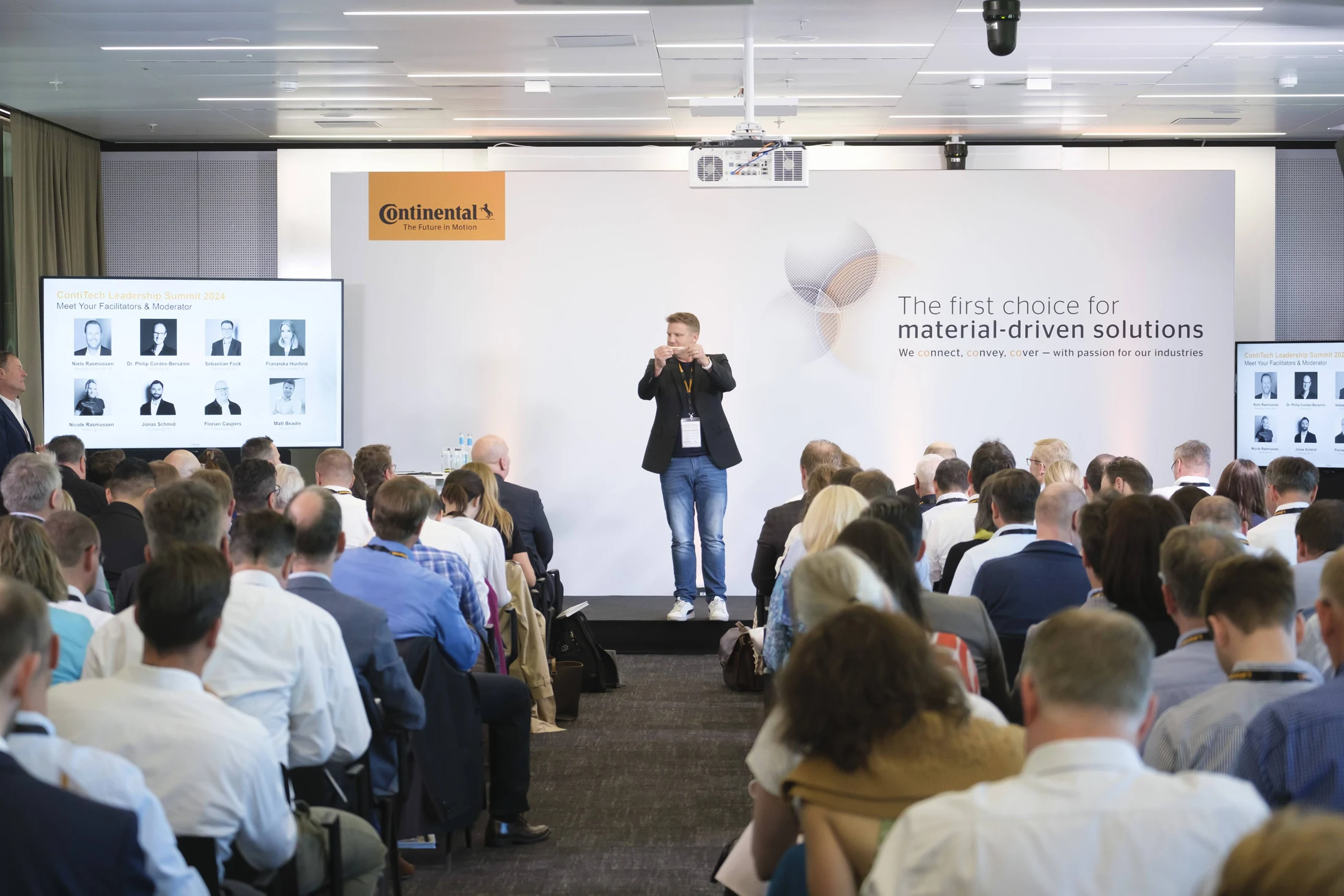
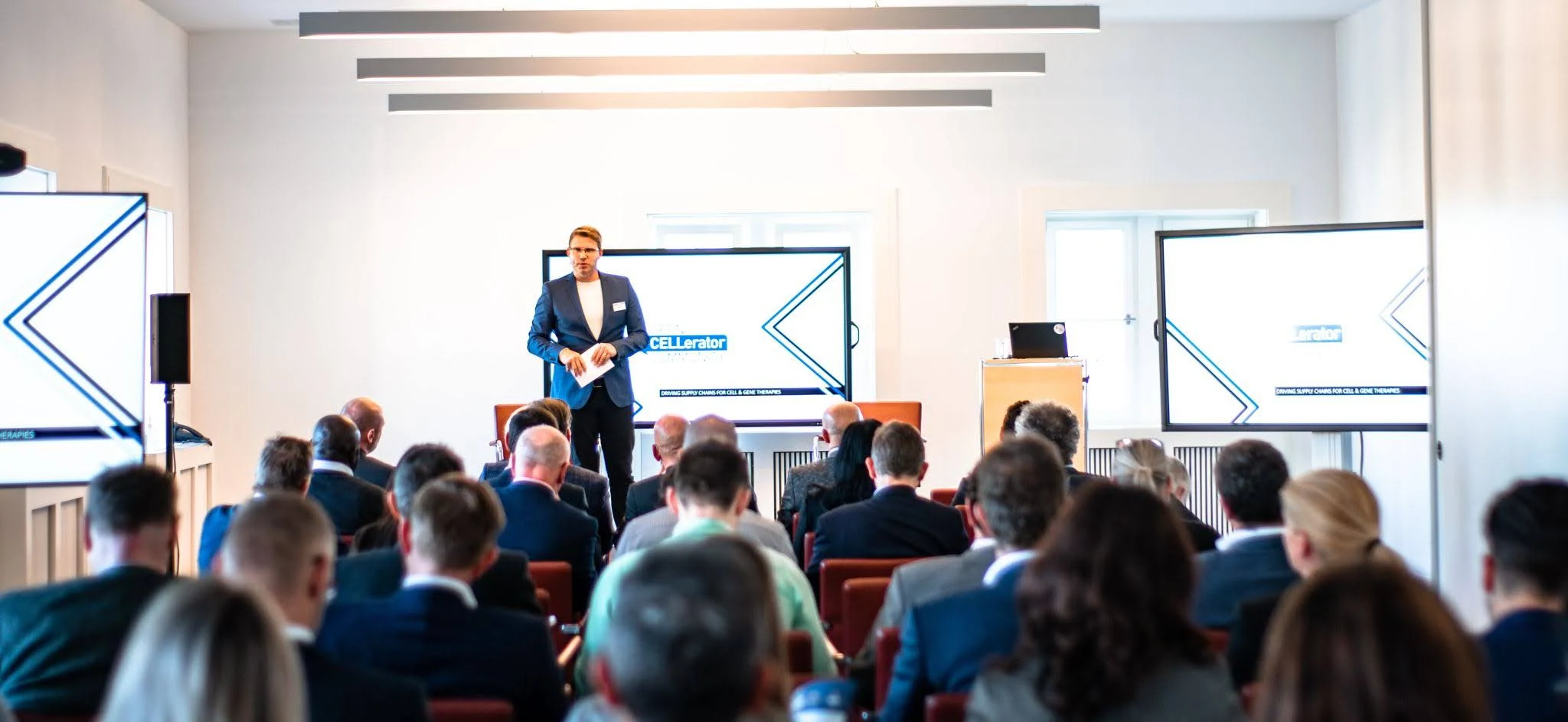
Matt Beadle speaking to an audience at a Continental leadership summit

Find your starting point

Three conversations
worth having.

Each keynote is shaped around the audience, the event and the questions you want people to take away.

AI is changing how we work and the questions teams are asking about what comes next. In challenging times, people need to communicate clearly, collaborate across their strengths and reflect together on what is working — and what needs to change.

Matt Beadle speaking in front of a business-conference audience

01 / Intrinsic motivation

The Intrinsic Edge

What changes when people feel genuine ownership of their work? A fresh look at autonomy, purpose and the conditions that help motivation grow.

  • Explore the difference between pressure and ownership.
  • Recognise what gives people a reason to contribute.
  • Identify a practical change to your leadership environment.
Discuss this keynote
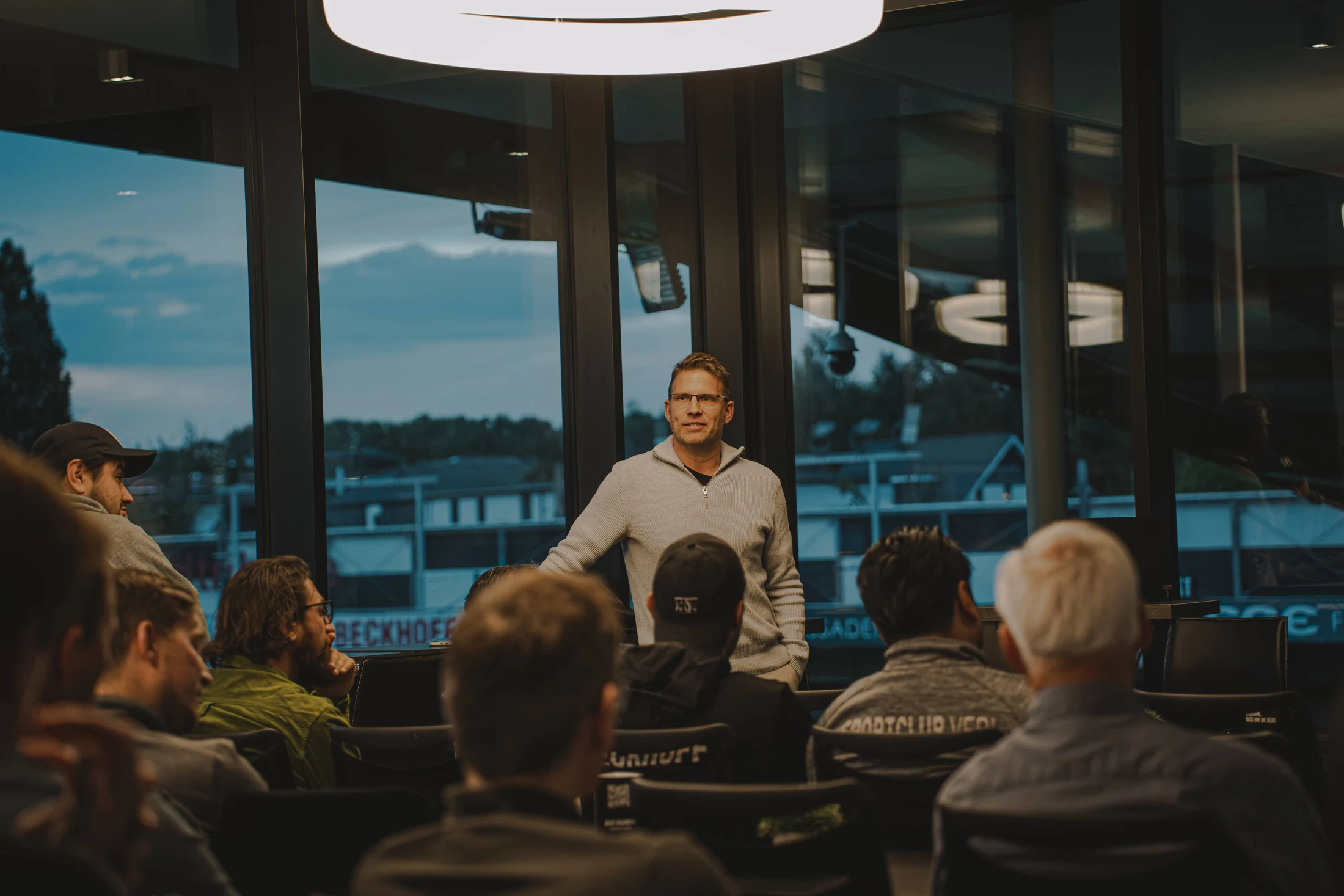
Matt Beadle speaking to a seated business audience

02 / Strengths orientation

Play to Your Strengths

A different starting point for development: understanding what people already do well and helping them bring more of it to the team.

  • Notice strengths in yourself and others.
  • Ask more useful development questions.
  • Connect individual contribution with the team’s needs.
Discuss this keynote
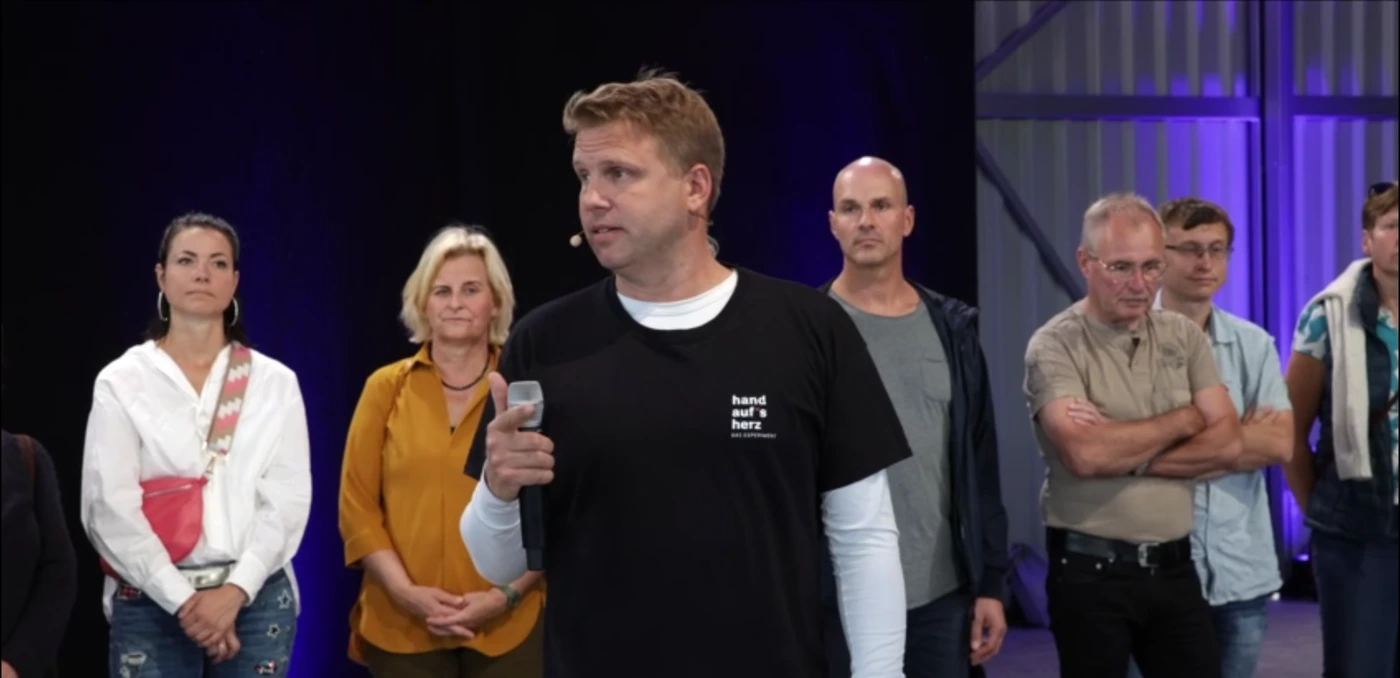
Matt Beadle facilitating a workshop with a group of participants

03 / People & performance

Positive Leadership

What does it look like to lead with trust, clarity and humanity? A practical conversation about the environments in which people can do their best work.

  • Reflect on the signals you send as a leader.
  • Explore the relationship between trust and accountability.
  • Choose a leadership habit to take back to work.
Discuss this keynote

Hear the ideas

My voice.
My point of view.

Strengths orientation, personal development and positive leadership: ideas from my talks and conversations in English and German, with English subtitles.

2:39 · Talks and conversations · English subtitles

Book me for your event ↗

Original speaker reel · 2024

The background behind my speaking.

The experience and ideas that underpin all my speaking work — brought together in this original reel.

2:37 · Understanding positive psychology

Teamwork in a changing world

Communicate. Collaborate.
Make time to reflect.

Communicate with clarity.

Make expectations clear, ask better questions and give feedback people can use. When roles, tools and priorities are changing, good communication helps people find a shared direction.

Collaborate across strengths.

Understand what each person brings and how those strengths work together. Create the trust and motivation people need to contribute, learn from one another and take ownership.

Reflect. Learn. Adapt.

Make space to pause, challenge assumptions and learn from experience. Development means looking at people, teams and the systems around them, so useful changes can become part of everyday work.

Ideas that stay with you

Real research.
A fresh perspective.

Surprising stories, useful questions and research that connects with everyday leadership. Here is a taste of the ideas we can explore together.

4,000+

Pilots. No “average” person.

More than 4,000 US Air Force pilots were measured across ten body dimensions. Not one fell within the average range on all ten. Todd Rose uses this story to challenge designing for an imaginary average person. What changes when we build teams around real individuals?

Read Harvard’s account ↗

Up to29%

The business case for strengths.

A Gallup meta-analysis by Jim Asplund and colleagues estimated profit gains of 14.4–29.4% associated with strengths-based development. Drawing on 43 studies across 22 organisations and 1.2 million employees, it asks a compelling question: are you investing enough in what your people do best?

Read Asplund et al.’s Gallup analysis ↗

3

What makes us want to?

Autonomy. Mastery. Purpose. In Drive, Daniel Pink brings together research on motivation and asks us to look beyond rewards alone. How can people have more ownership, keep getting better and see why their contribution matters?

Discover Daniel Pink’s framework ↗

A few questions to take into your team.

What if there is no single scale for talent?

Todd Rose calls it jaggedness: our abilities and characteristics form an uneven profile. A single score or label can hide what someone brings. We explore how to recognise complementary strengths and create roles that help different people contribute.

The thinking behind jagged profiles ↗
Bee glasses or fly glasses: what are you looking for?

A metaphor from my strengths work: are you looking for the flowers or only noticing the mess? We explore how attention shapes feedback, relationships and the possibilities we see in people — while still addressing problems that need our attention.

Is giving everybody the same task always fair?

Imagine asking every animal to climb the same tree. The task is identical; the opportunity to excel is not. This illustration opens a conversation about fair expectations, different starting points and what meaningful contribution looks like in your team.

Do you know your strengths as well as a carpenter knows their tools?

A carpenter knows which tool suits the job. Leaders need a similar awareness of their own strengths: when they help, when they are overused and when somebody else’s approach is needed. Knowing your tools is the beginning; learning how to use them takes practice.

Training helps. Where should we invest it?

In their paper Investing in Strengths, Donald Clifton and James Harter describe Glock’s 1955 reading study: students who started as faster readers made the largest gains. It helped inspire a question central to strengths development: what happens when we invest in existing talent? We explore talent alongside practice, skills and knowledge, and the weaknesses that still need managing.

Read Clifton and Harter’s account ↗
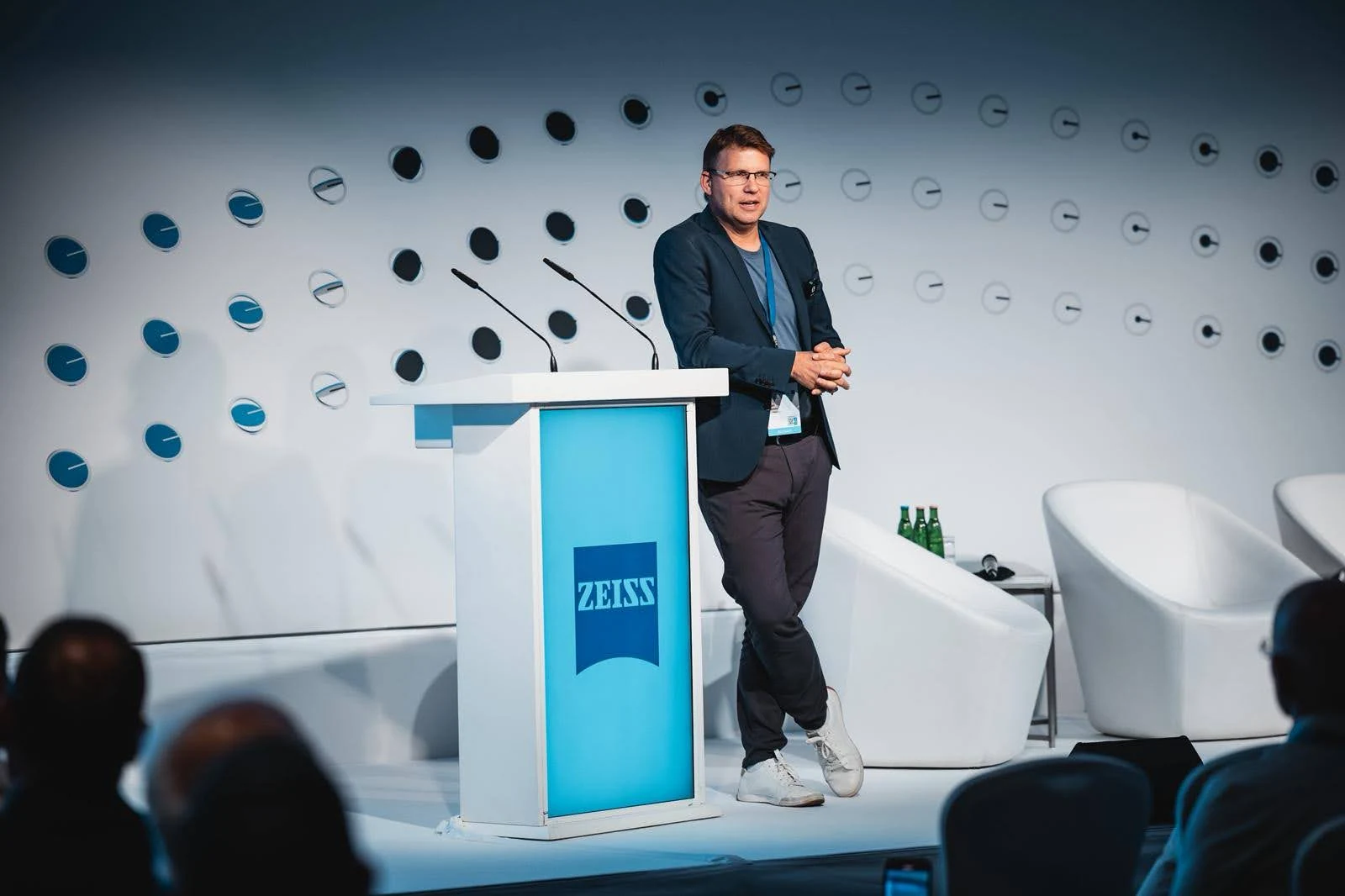
Matt Beadle speaking from a lectern at a ZEISS event

What I bring

Research meets
real experience.

I draw on my work as an author, facilitator, entrepreneur and football leader, alongside my interest in positive psychology and communication.

The aim is a talk that feels relevant to the people in front of me, with ideas they can discuss and use when they return to their teams.

Keynotes are available in English or German, with an optional discussion or facilitated session to take the thinking further.

A little more about me

Beyond the stage

Room to go deeper.

My books explore the leadership, development and communication themes behind my speaking work.

A closer look

A profile to keep.
In your language.

Download the speaker brochure for a closer look at my work, approach and experience.

Keynote questions,
answered.

What are your keynote topics?

My core themes are intrinsic motivation, strengths orientation and positive leadership. Across these talks, the aim is to improve teamwork, communication and motivation, and help people, teams and systems develop.

Can you tailor a keynote to our organisation?

Yes. We start with your audience, your challenges and the conversation you want to open. I tailor the examples, emphasis and format around your needs, including how your teams collaborate, communicate and reflect through change.

Do you speak in English and German?

Yes. Keynotes are available in native English or fluent German. We agree the language and terminology around your audience during the briefing.

Can a talk address teamwork during AI-driven change?

Yes. We can explore the human questions that change brings: how people communicate, build trust, contribute their strengths and learn together. The focus is on leadership and team development, shaped around your organisation’s situation.

Can you combine a keynote with a discussion or workshop?

Yes. An optional discussion or facilitated session can help the audience connect the ideas with its own work. We agree the format and timing around your programme.

What should your audience
take away?

Let’s shape a keynote around the conversation your organisation needs.

Discuss your event

Matt Beadle

Talk about your event